




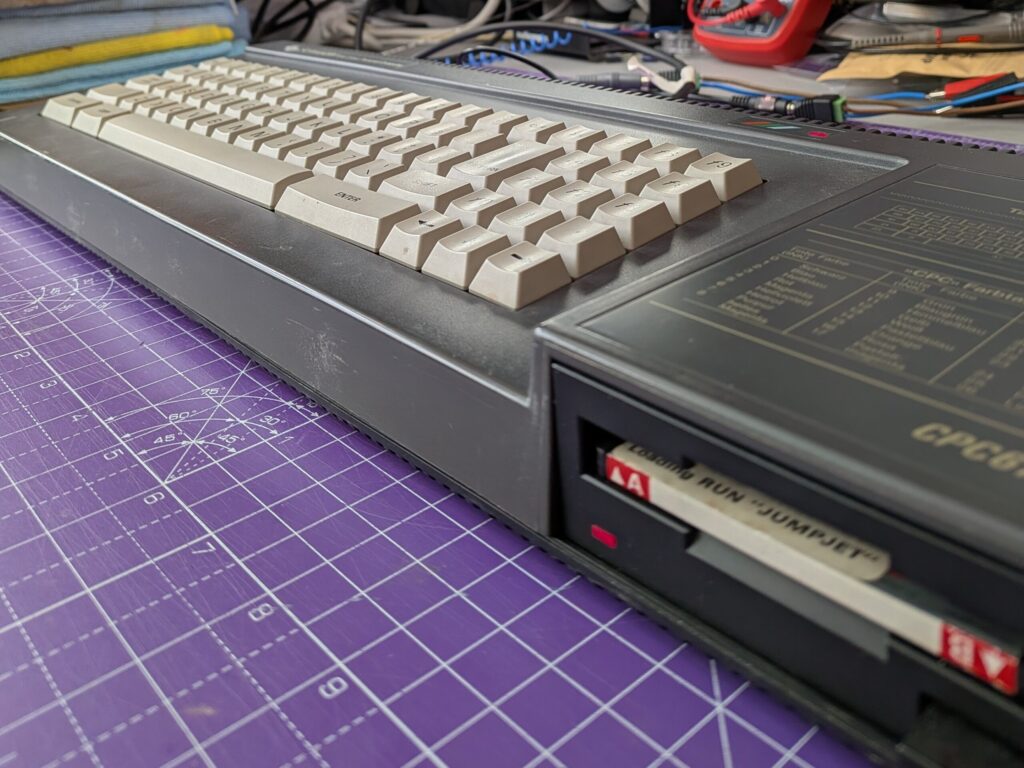
Although essentially an Amstrad CPC 6128 and common in Europe, these are quite unusual to see in the UK. They differ mostly in styling, with the grey keys.
The floppy drive in these is a 3 inch CF2 drive. This model (Matsushita EME-150A) is slightly unusual in that the head travel mechanism is all contained inside a single linear motor unit. It drives a piston in and out which moves the read/write head across the disk. I’ve never dismantled one to find out but assume it must have an internal worm gear driving the piston. Most floppy drives use a separate motor and external worm gear. It’s quite simple and innovative but would be near impossible to find a replacement for.
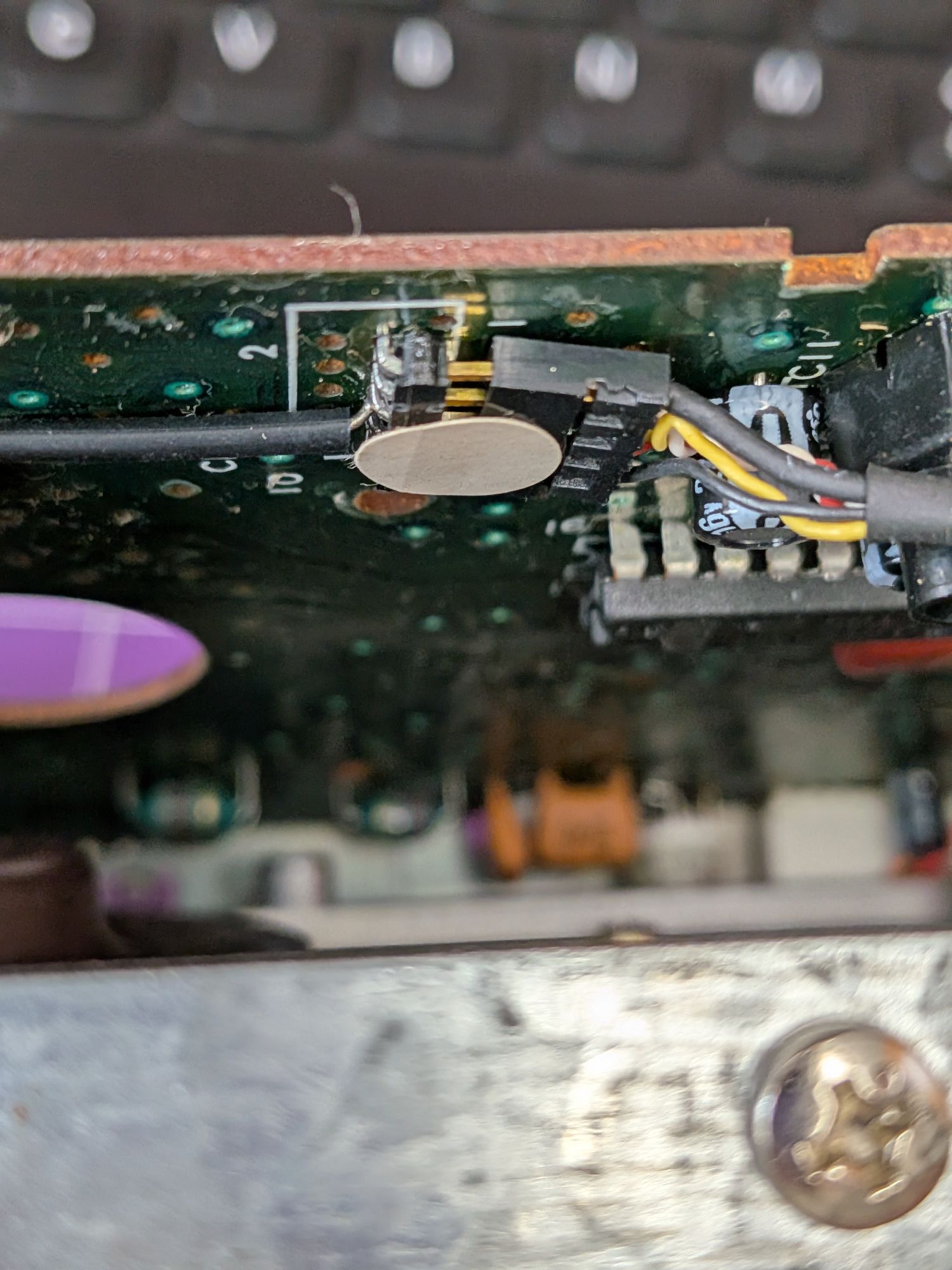
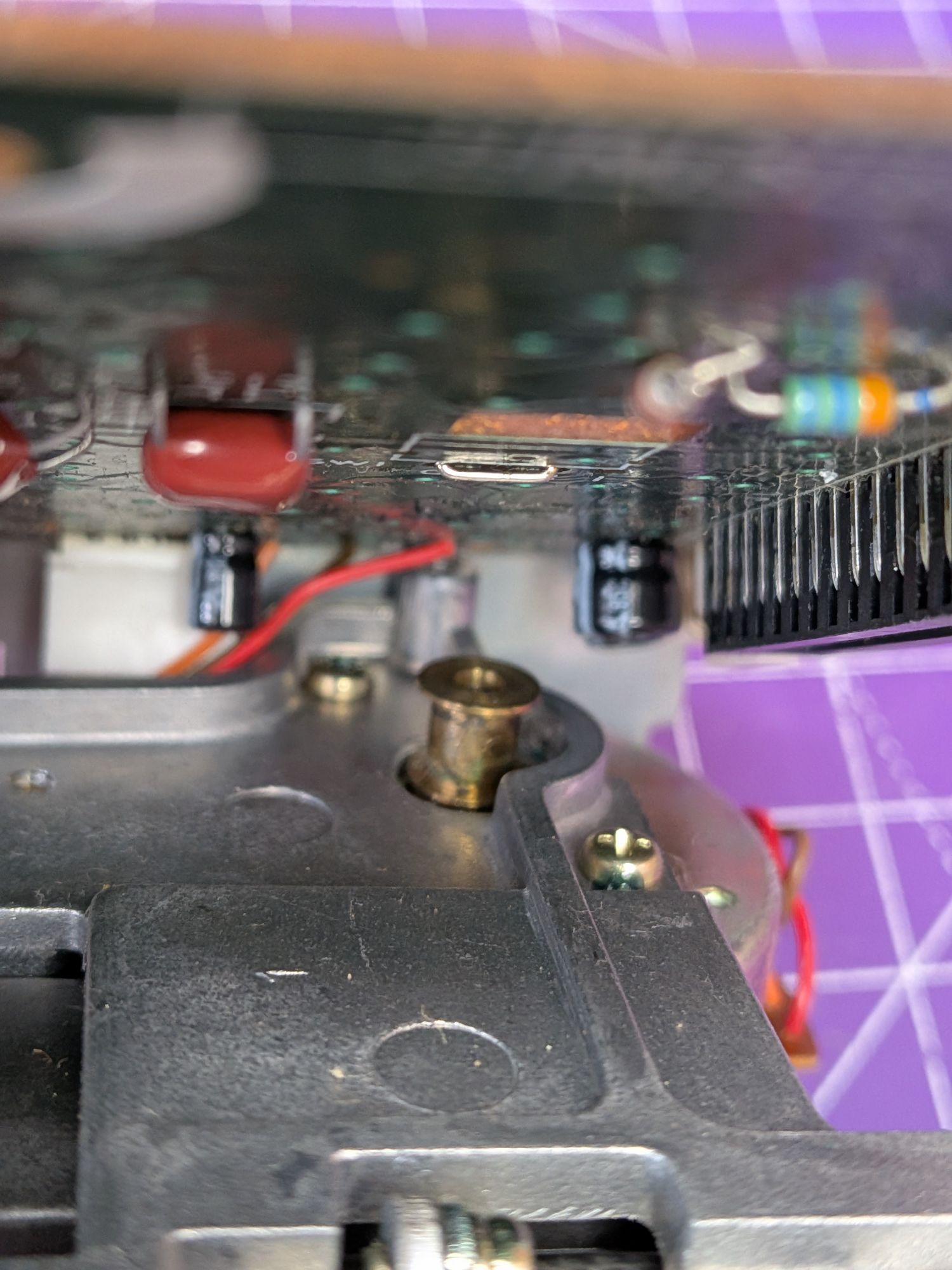
The pictures here show the bundle of cables that go from the main board across to the floppy drive and the back of the drive itself. Note that the red marked edge of the ribbon, marking pin 1, connects nearest to the power plug. You can see the worm drive on the right hand side at the back. The RF shielding over the board in these causes quite a sharp crease in the keyboard ribbons. Usually something to be avoided. It’s lasted 40 years though so doesn’t seem to be a cause for concern.
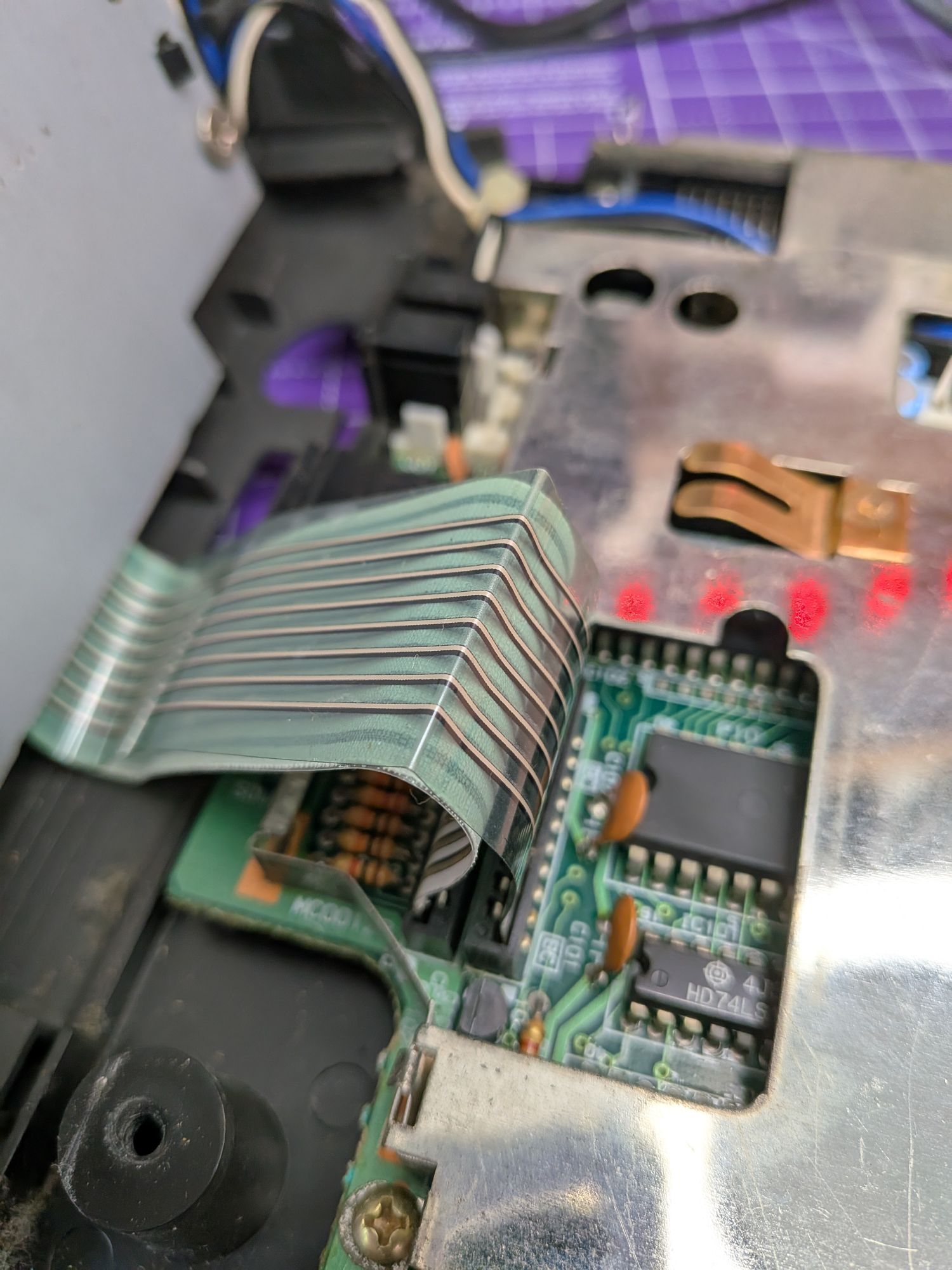
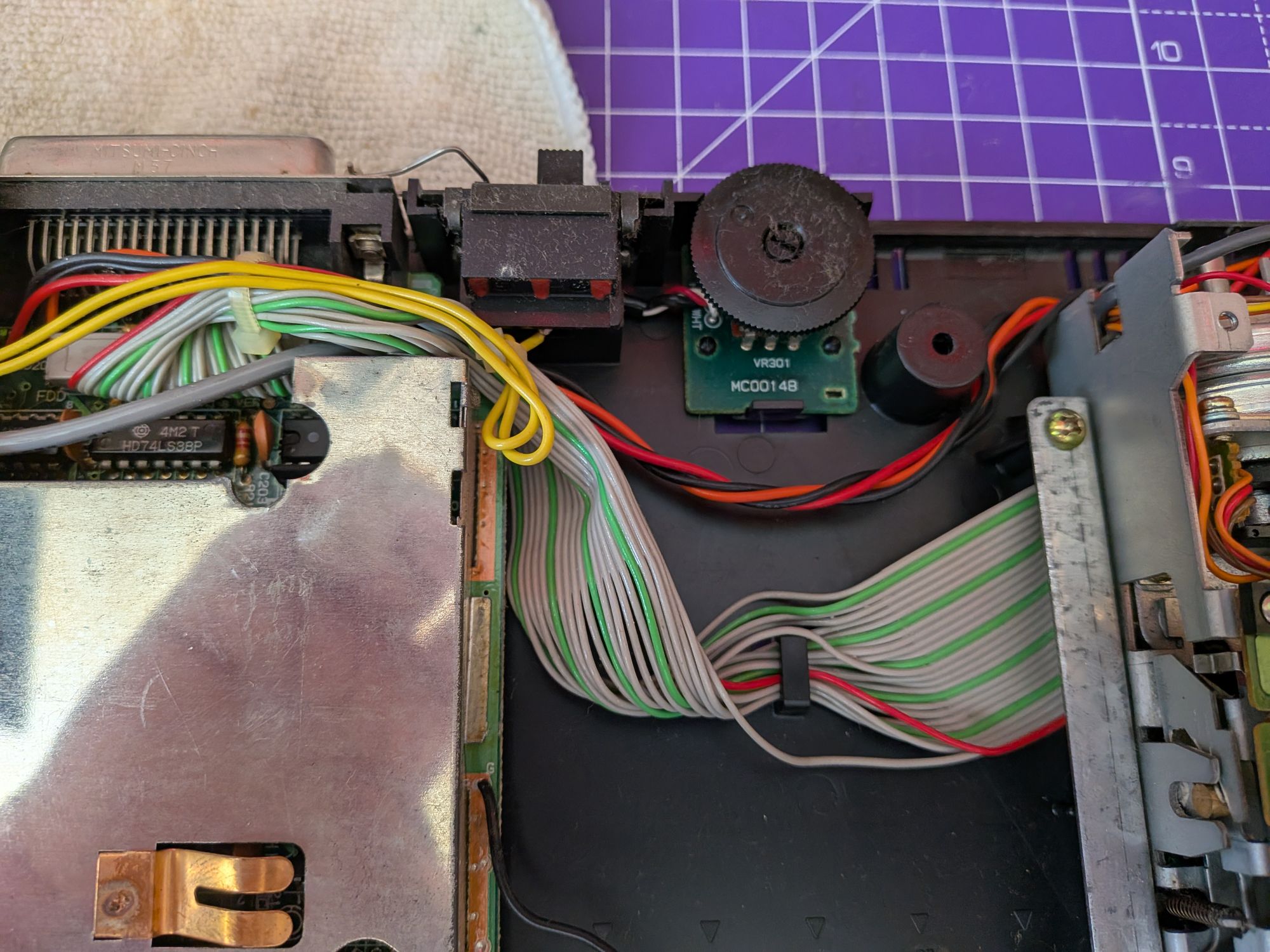
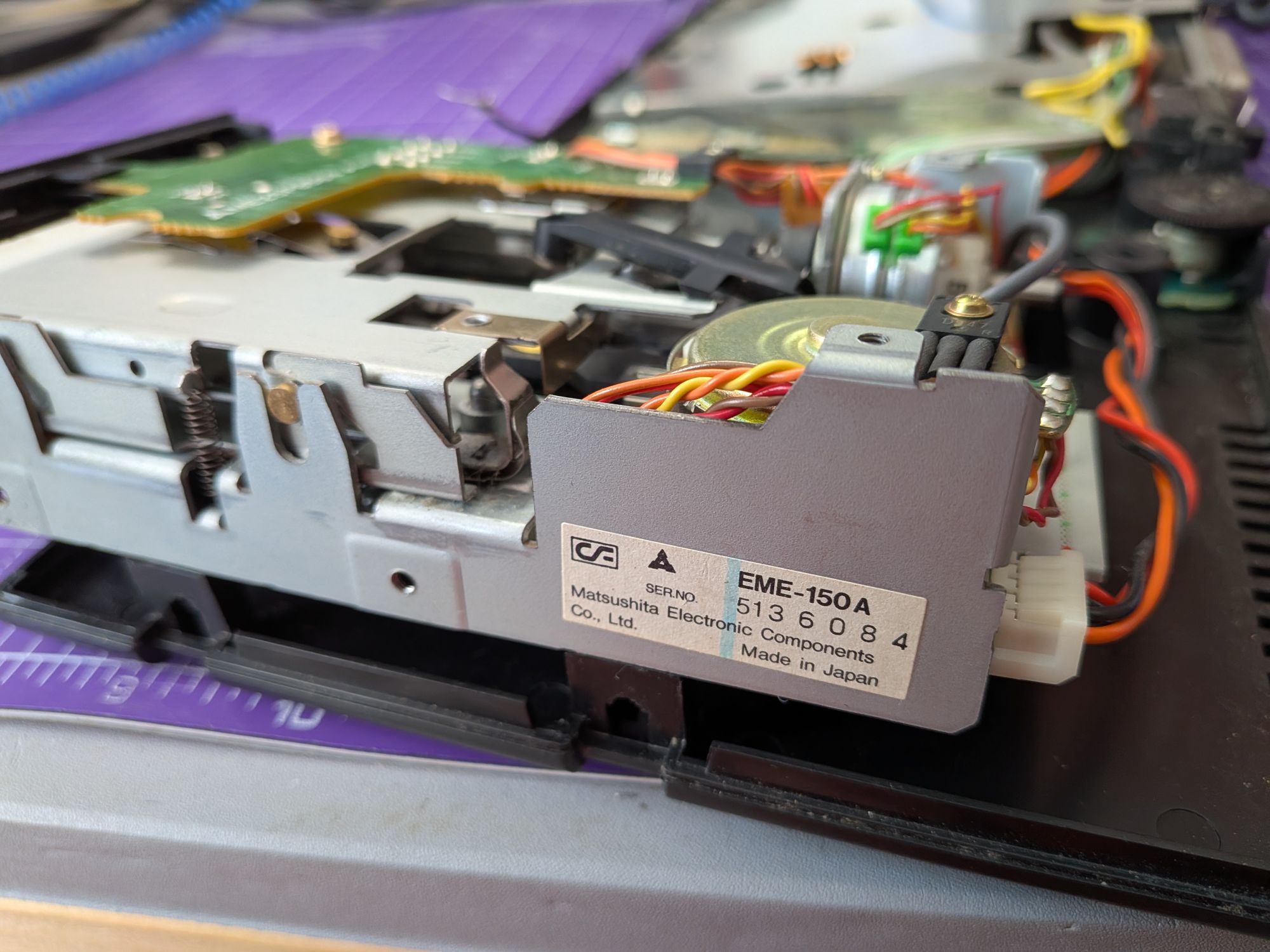
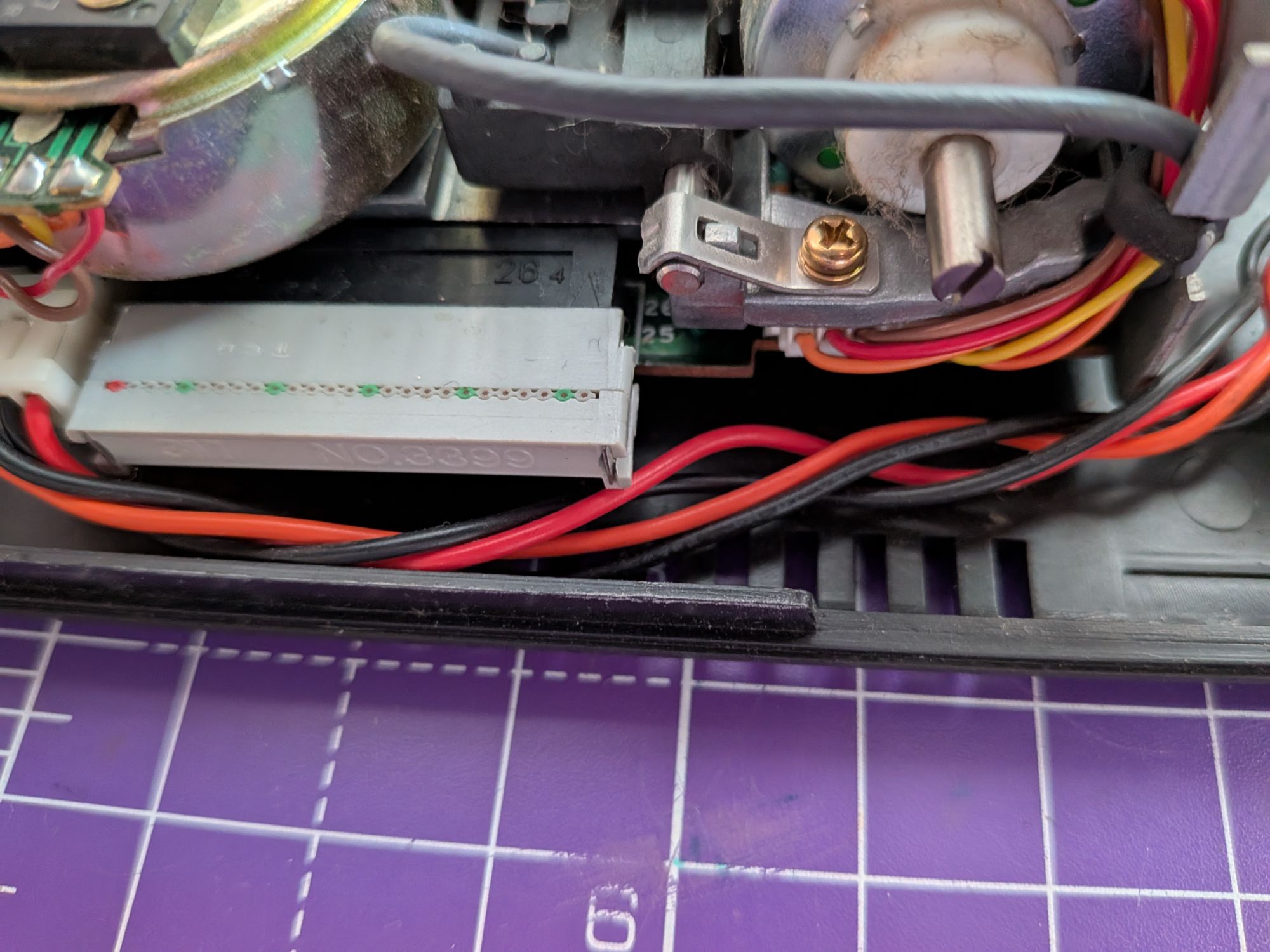
CF2 drives are generally quite reliable. They normally just need a good service and a tweak of their speed. They tend to rotate a bit slowly after all these years. the rotor shaft is driven by a flat belt from a small brass capstan/pulley.
As the rubber drive belt ages and dries out, just before it degrades into black goo, it strongly adheres to the brass drive wheel/pulley/capstan thing, which causes uneven drive and possible slipping or even the belt coming off. What is the proper term for the slightly domed drive wheel of a belt system? In a conveyor system it is probably a head pulley. Probably capstan, right?
Anyway it needs scraping off the brass thingamejig, so the belt rotates smoothly. The driven end, on the rotor, is a large plastic wheel which will need cleaning too.
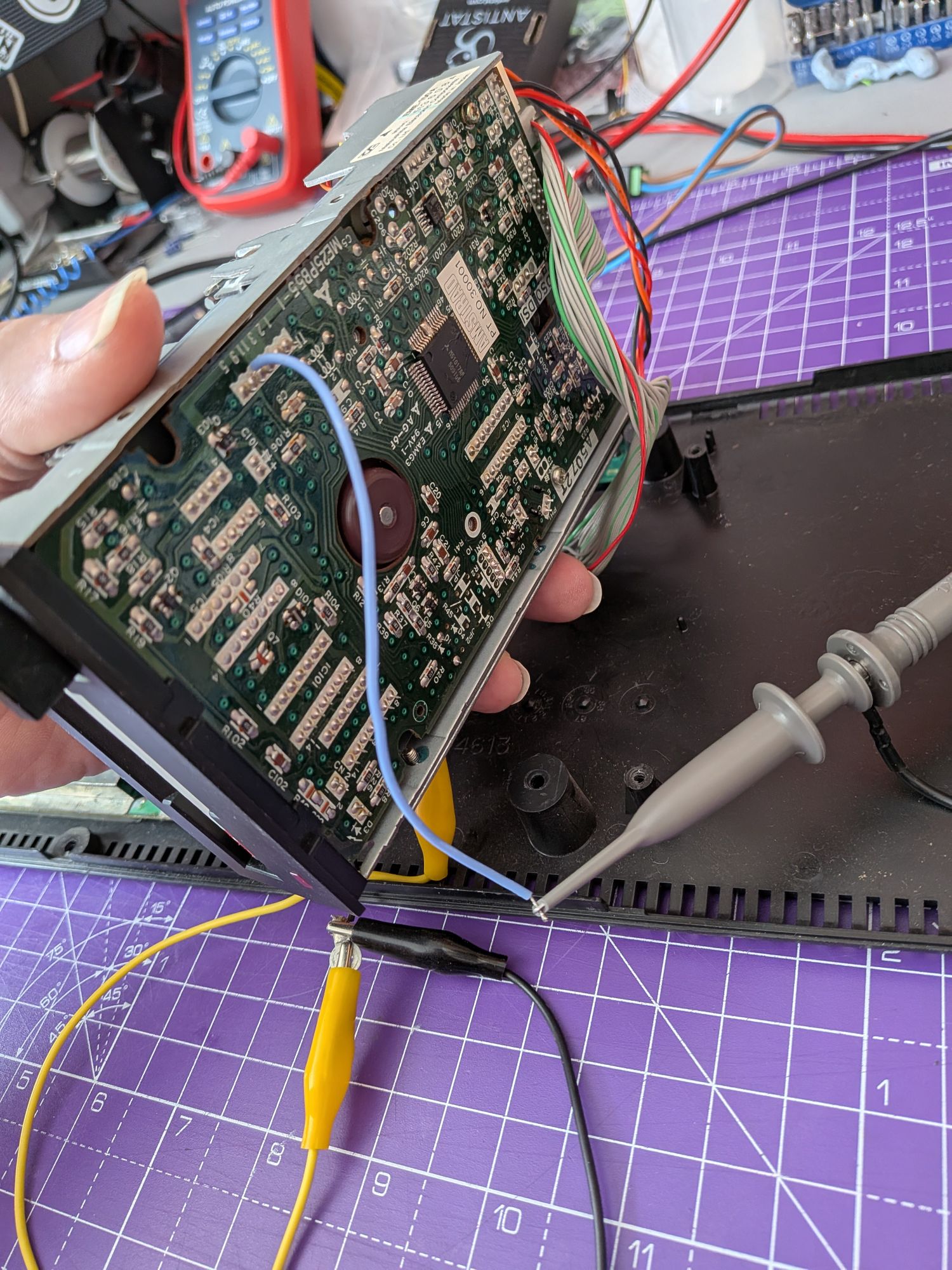
It’s a bit fiddly on these floppy drives as the board is attached with wires in various places. It’s simplest to unplug one side and slide the board backwards, so the activity LED is free from the front fascia, which gives just enough room to work with. The plug was actually becoming unplugged on this one already.
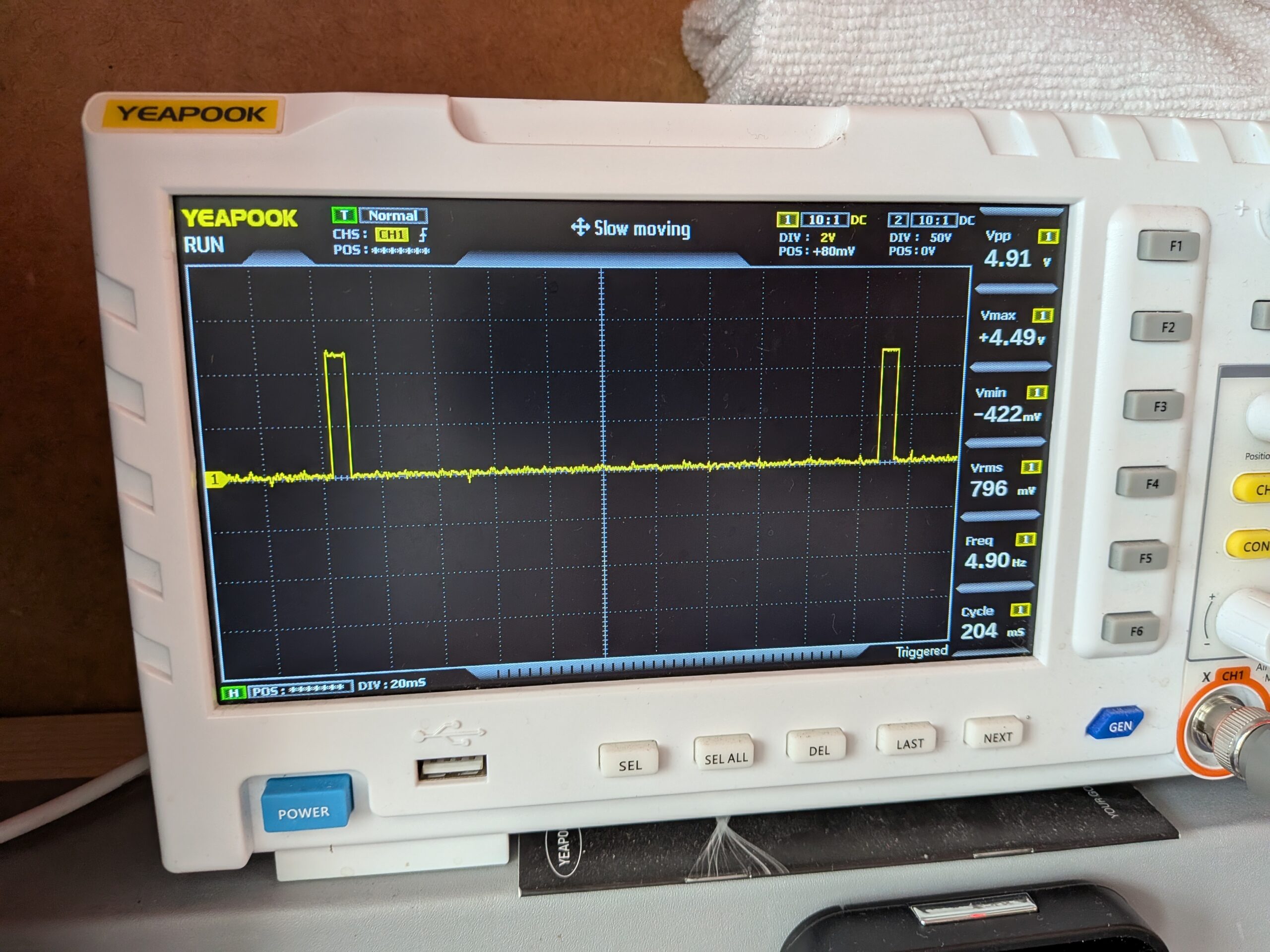
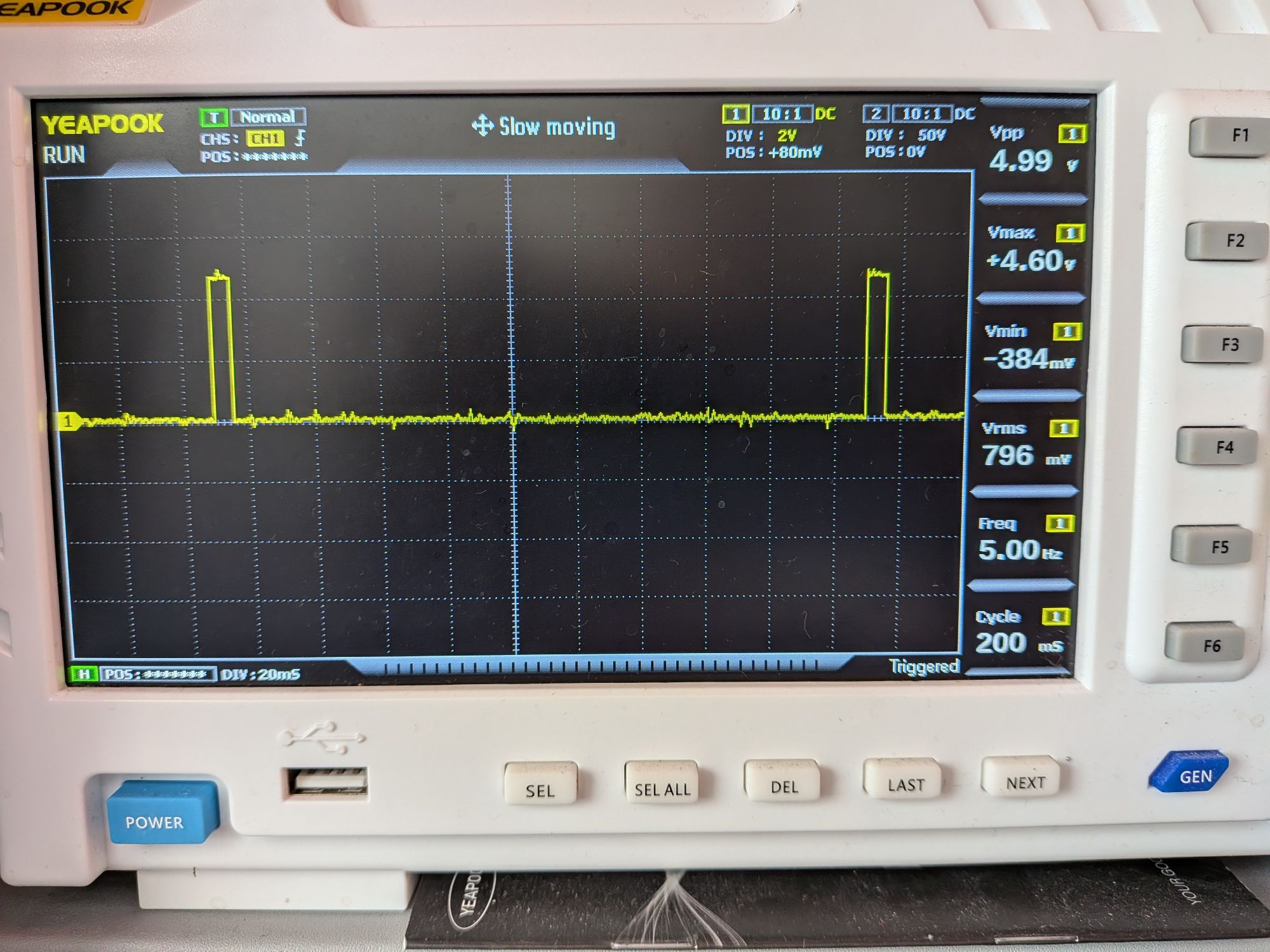
Once cleaned and fitted with a new belt, lubricated, heads cleaned and reassembled it can be calibrated back to it’s former glory. These should rotate at 300 RPM, or 5Hz, or 200ms duty cycle – 5 rotations per second.
The speed is often adjusted by means of a potentiometer on the motor itself. On this model though there is a separate adjustment, accessible through the bottom of the board. When first measured, it was turning at 4.8Hz, which translates to 288 RPM, so as expected, a bit slow. Used a known good disk and adjusted back up to 5Hz before trying to load the game.
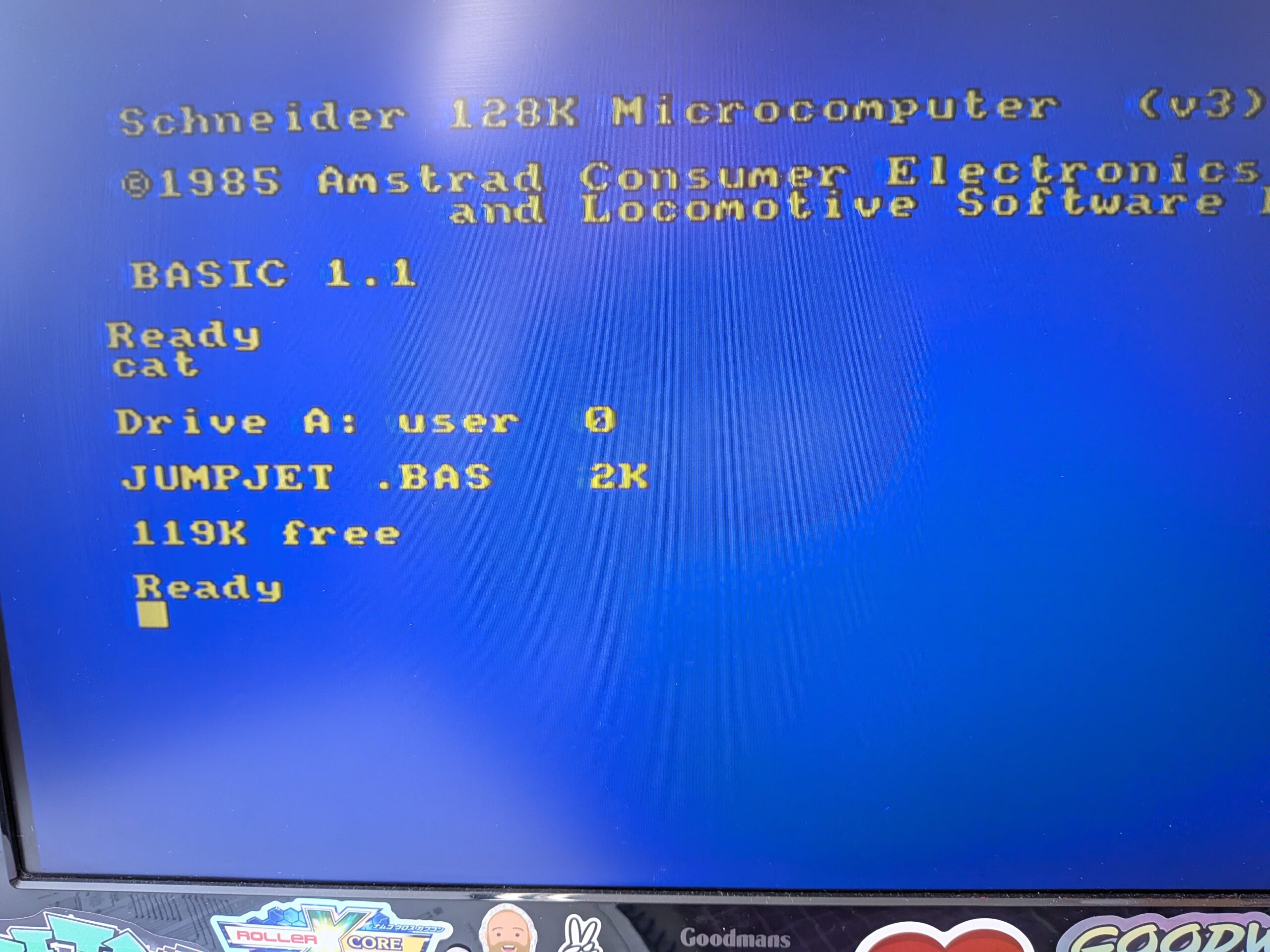
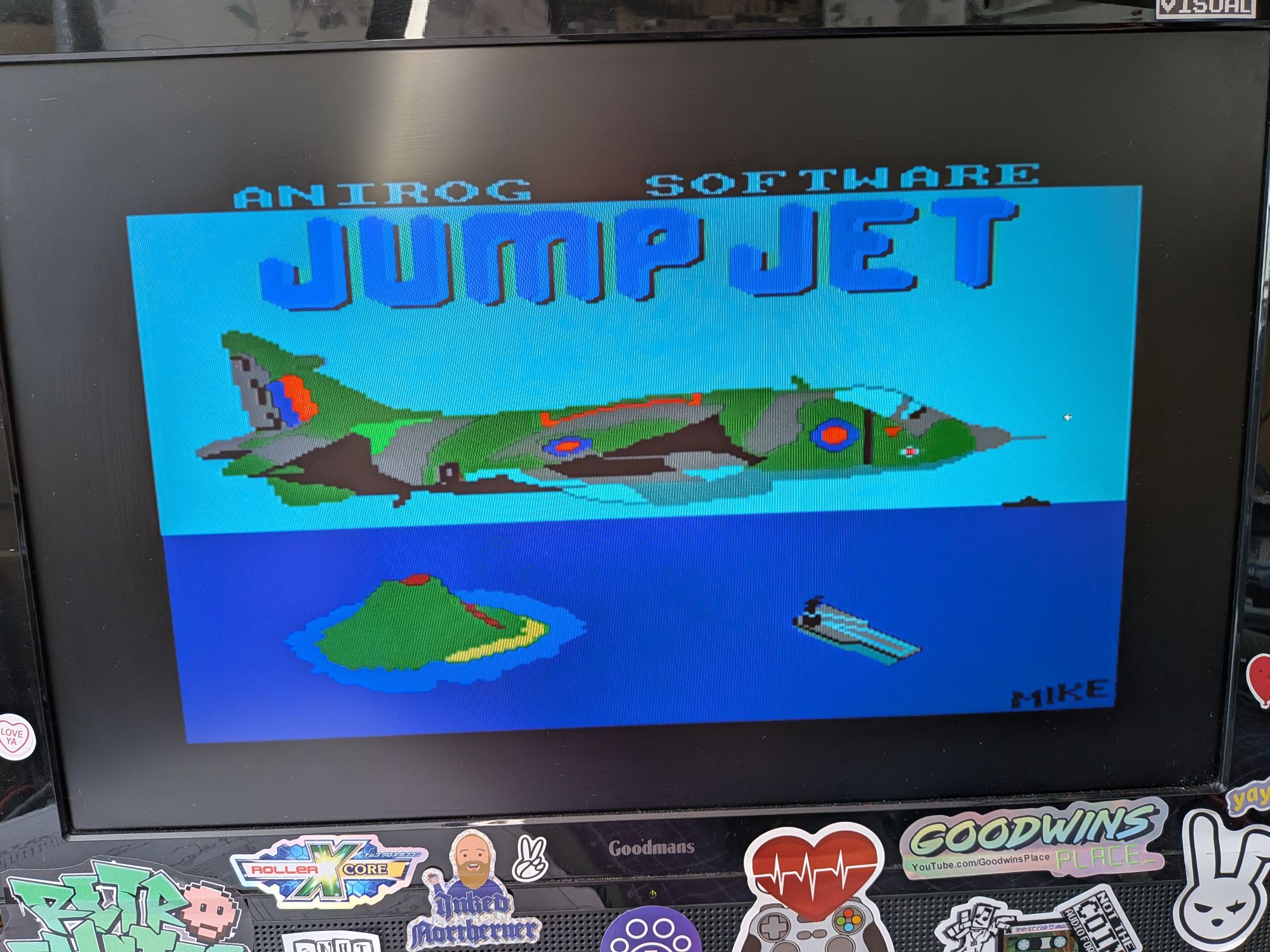
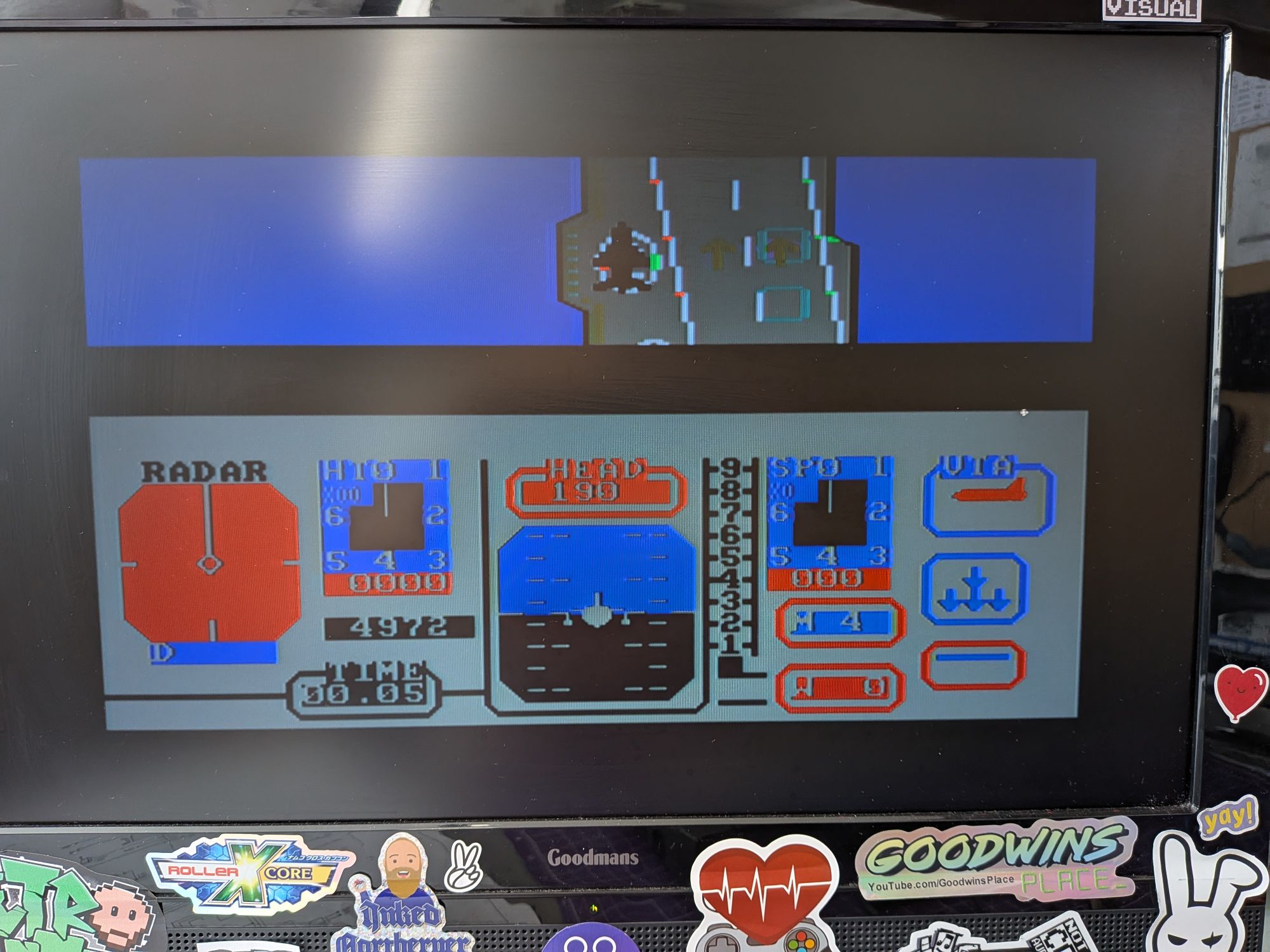
run”jumpjet” and it is loading fine now. Ran it for a while and allowed everything to cool down before testing again to be certain, and it seems fine now.
PS. If anyone knows the keys for Jumpjet please let me know! 😀